



Meditation isn’t just a spiritual practice or a trendy mindfulness habit it’s one of the most powerful tools for transforming your brain and overall mental well-being. While sitting quietly and focusing on your breath might seem simple, science reveals that daily meditation can physically reshape your brain, improve emotional regulation, and even sharpen memory and focus.
So what actually happens inside your brain when you make meditation part of your daily routine? Let’s explore the fascinating ways consistent meditation changes how you think, feel, and function.
The Science of Meditation and the Brain
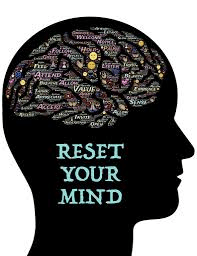
When you meditate, you’re not just relaxing you’re literally training your brain. Studies using MRI scans have shown that daily meditation can alter both the structure and function of the brain. Over time, this practice strengthens neural connections, improves attention, and decreases the areas associated with stress and anxiety.
1. Strengthening the Prefrontal Cortex
The prefrontal cortex is the part of your brain responsible for focus, decision-making, and self-control. Meditation enhances activity in this region, helping you become more mindful and less reactive.
With consistent practice:
- You gain better control over impulses and emotional reactions.
- Decision-making becomes clearer and less influenced by stress.
- You develop a greater ability to stay present instead of getting lost in distractions.
Essentially, daily meditation works like a workout for your mind it builds “mental muscle” where you need it most.
2. Shrinking the Amygdala (Your Stress Center)
The amygdala is the part of the brain that processes fear and stress responses. When you’re anxious, overwhelmed, or reactive, this small almond-shaped structure lights up.
Meditation helps quiet the amygdala. Over time, people who meditate daily show decreased amygdala size and reactivity, which means:
- You recover from stress faster.
- You’re less likely to overreact emotionally.
- You experience a calmer baseline mood throughout the day.
This explains why people who meditate regularly often appear grounded—even during chaos.
3. Increasing Gray Matter Density

One of the most fascinating discoveries in neuroscience is that meditation actually increases gray matter density in key regions of the brain. Gray matter is associated with processing information, controlling movement, and regulating emotions.
In long-term meditators, increased gray matter has been observed in areas linked to:
- Memory and learning (hippocampus)
- Emotional balance (anterior cingulate cortex)
- Perspective-taking and empathy (temporal parietal junction)
This means meditation can quite literally grow your brain’s ability to think clearly and feel deeply.
Emotional Transformation Through Meditation
Meditation isn’t just about the brain it transforms how you experience life emotionally. The inner calm it cultivates has ripple effects in every part of your day, from how you handle challenges to how you relate to others.
Emotional Regulation Becomes Easier
Instead of getting caught in emotional storms, daily meditation teaches you to observe your emotions rather than being controlled by them.
You begin to notice feelings as temporary experiences, not permanent states. For example:
- Anger becomes a signal to pause, not to explode.
- Sadness becomes something to acknowledge, not something that defines you.
- Anxiety becomes manageable, rather than paralyzing.
This emotional stability allows you to handle both good and bad moments with greater resilience and perspective.
You Develop a More Compassionate Outlook
Research shows that regular meditation increases activity in brain regions related to empathy and compassion. By spending a few minutes each day in stillness, you start becoming more patient, understanding, and kind both toward others and yourself.
As your empathy expands, relationships often improve. You become less judgmental, more forgiving, and better at listening.
Reduced Symptoms of Anxiety and Depression
Meditation is now widely recommended by psychologists as a complementary therapy for anxiety and depression. Daily practice lowers levels of the stress hormone cortisol and helps regulate mood-related neurotransmitters like serotonin and dopamine.
In simple terms, meditation doesn’t just make you feel calmer it creates a more balanced chemical environment in your brain to sustain that calm.
How Meditation Boosts Focus and Cognitive Function
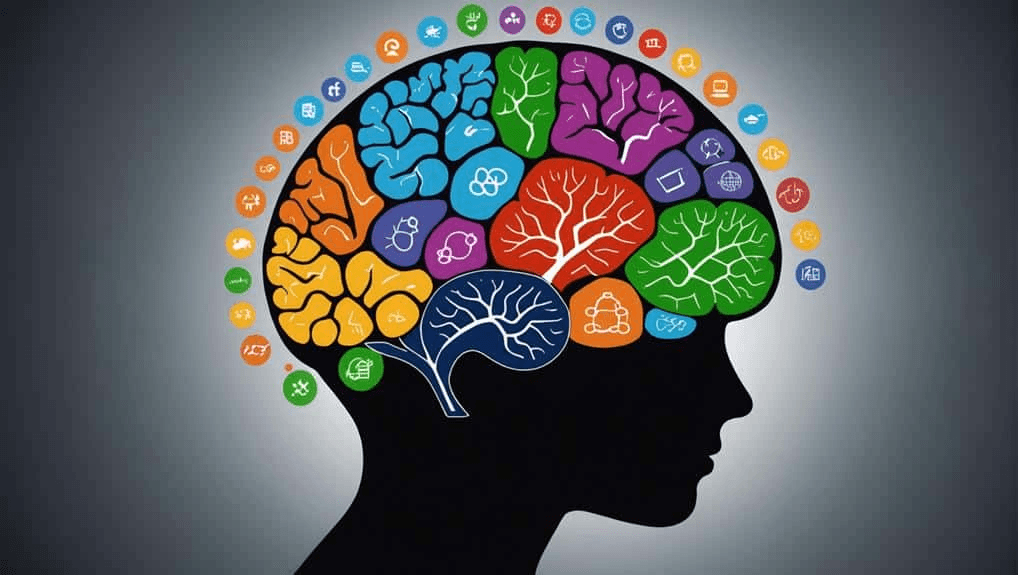
In a world full of distractions, the ability to focus has become a superpower and meditation helps you build it. Through mindfulness and concentration exercises, you train your brain to resist the constant pull of external noise.
Sharper Attention and Longer Focus
Studies have found that even just two weeks of meditation can significantly improve focus and attention span. Long-term meditators demonstrate remarkable ability to stay on task without being easily distracted.
If you struggle with procrastination or mental wandering, meditation acts as a reset button for your attention system.
Better Memory and Learning
Daily meditation strengthens neural pathways in the hippocampus, which is crucial for memory formation and learning. As a result:
- You retain information more effectively.
- You become a faster learner.
- You’re less likely to experience cognitive fatigue.
This is why many top performers—athletes, CEOs, and creatives—incorporate meditation into their routines. It keeps the mind agile and adaptable.
The Long-Term Benefits of Daily Practice
The true magic of meditation lies not in one session, but in consistency. With time, the small daily habit compounds into profound, long-lasting change.
Here’s what happens when meditation becomes part of your lifestyle:
- Improved emotional balance: You experience less reactivity and greater peace.
- Enhanced creativity: A quieter mind allows for deeper insight and innovative thinking.
- Better sleep: Meditation helps regulate melatonin levels and improves sleep quality.
- Physical health improvements: Lower stress levels can reduce blood pressure, strengthen immunity, and slow aging on a cellular level.
In essence, meditation doesn’t just transform your mind—it reshapes your entire well-being.
Getting Started: Simple Ways to Meditate Daily
You don’t need to meditate for hours or retreat to a monastery. Just 10–15 minutes a day can create noticeable change. Try this simple routine:
- Find a quiet space. Sit comfortably, close your eyes, and take deep breaths.
- Focus on your breath. When your mind wanders (and it will), gently bring your attention back.
- Start small. Consistency is more important than duration—start with 5 minutes and build from there.
- Use guided sessions. Apps like Calm or Headspace can help beginners stay on track.
- Reflect afterward. Notice how your body and mind feel before and after each session.
Over time, you’ll start noticing small but meaningful shifts—less tension, better focus, and more control over your emotions.
Final Thoughts
Meditation is more than a wellness trend it’s a science-backed tool for rewiring your brain toward clarity, calm, and emotional strength. When practiced daily, it transforms stress into stability, distraction into focus, and chaos into peace.
Your brain is constantly changing through what you do and think so why not shape it intentionally?
Even a few quiet minutes each day can spark profound transformation. Meditation doesn’t just change how your mind feels; it changes how your mind works.
And that, in today’s noisy world, might be one of the most powerful things you can do for yourself.