


After more than a hundred trips across cities, continents, and countless hotel rooms—from luxurious beachfront resorts to budget hostels tucked in narrow alleys—I’ve learned one universal truth: getting a good deal on hotels isn’t about luck. It’s about strategy. While the travel industry wants you to believe that prices are unpredictable, the reality is that with the right timing, research, and awareness, you can consistently find amazing rooms for less.
Whether you’re a frequent traveler or just planning your next getaway, these hotel booking insights will help you book smarter, sleep better, and stretch your travel budget further than ever.
Understand How Hotel Pricing Really Works
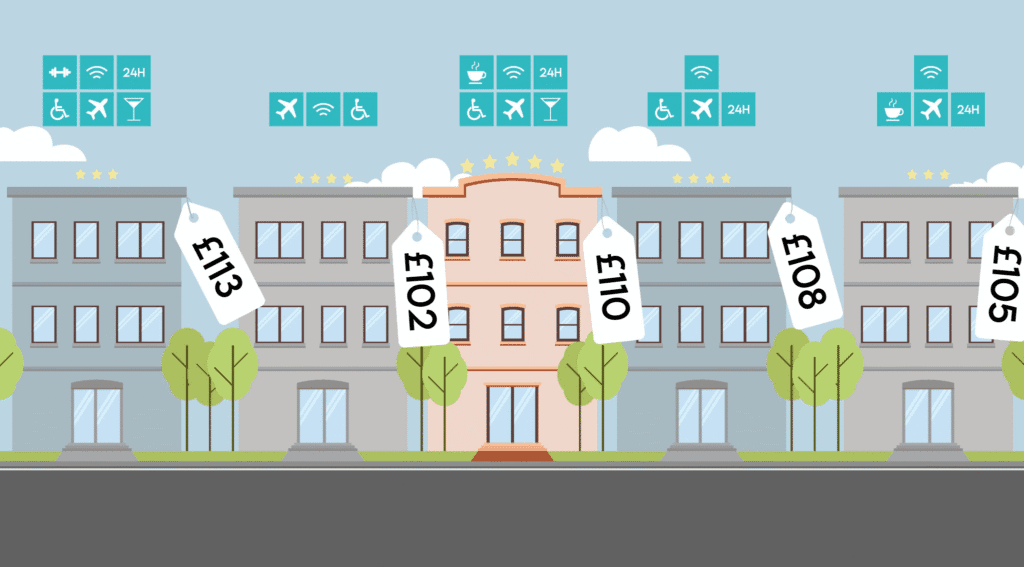
Most travelers assume hotel prices are fixed, but they fluctuate constantly—sometimes even hourly. This is because hotels use dynamic pricing, a model that adjusts rates based on demand, occupancy, and booking patterns. Knowing this gives you the upper hand.
Here’s what I’ve learned after years of trial and error:
- Book 2–3 weeks in advance for short city trips. Hotels often drop prices when they realize they still have empty rooms close to the check-in date.
- For popular destinations or holidays, book early. Waiting can be risky when demand is guaranteed to spike.
- Avoid booking on weekends if possible. Prices tend to be lower on Tuesdays and Wednesdays when fewer people are shopping for travel deals.
- Check prices at different times of day. You’d be surprised—sometimes a room can be $20 cheaper in the evening than in the morning.
Another insider tip: many hotels quietly update rates overnight in their local time zone, so checking prices around midnight (their time) can sometimes reveal fresh discounts before booking sites catch up.
Use Booking Platforms Strategically
Hotel booking platforms like Booking.com, Expedia, and Agoda are fantastic tools—but they’re not always the cheapest. They take commissions from hotels, which can mean slightly inflated prices. To get the best deal, you have to use these platforms smartly, not blindly.
Here’s how I do it:
- Start with comparison sites. Use meta-search engines like Google Hotels or Trivago to compare listings across platforms. This gives you a baseline idea of fair pricing.
- Then visit the hotel’s official website. Many hotels offer “best rate guarantees” or added perks (like free breakfast or late checkout) if you book directly.
- Use loyalty accounts. Signing up for free loyalty programs can unlock hidden “member-only” rates that don’t appear publicly.
- Don’t ignore smaller sites. Regional sites like Ctrip (for Asia) or HotelsCombined sometimes beat big platforms by a wide margin, especially for local stays.
And one of the best-kept secrets? Call the hotel directly. Once you’ve found a good rate online, call or email the property to ask if they can match or beat it. Often, they will—because it saves them the commission fee.
Timing Is Everything: The Art of the Booking Window
There’s a sweet spot for booking every trip, and it depends on the type of travel you’re doing. After testing hundreds of bookings, here’s what I’ve learned about when to book:
- Business destinations: Book 2–4 weeks before your stay. Weekends are often cheaper since most business travelers leave.
- Leisure destinations: For beach resorts or tourist hotspots, book 1–3 months in advance. Prices rise steadily as vacation season nears.
- Last-minute trips: Use apps like HotelTonight or Hopper. Hotels often list unsold rooms at deep discounts within 48 hours of check-in.
If you’re flexible with your plans, try adjusting your travel dates by just one day—it can easily save you 20–40%. Hotels base rates on projected occupancy, and even a small shift can land you in a lower price bracket.
Location, Location, and… Logistics

The cheapest hotel isn’t always the best value. What really matters is total cost—and that includes transportation, meals, and time. I once saved $30 a night staying in a remote area, only to spend twice that on taxis and lost hours in traffic.
When choosing where to stay, I always weigh:
- Proximity to key attractions or transit hubs – A slightly higher nightly rate can be worth it if it saves you money on transport.
- Neighborhood vibe and safety – Read recent traveler reviews on cleanliness, noise, and safety. Local forums or Reddit threads often reveal more than the official site.
- Access to amenities – Free breakfast, airport shuttles, and included Wi-Fi add real value to your stay.
Think about what kind of trip you want—if you’ll be exploring all day, you don’t need a luxury room. If your plan is to relax and unwind, investing in comfort might be the smartest financial choice.
The Secret Weapon: Flexible Booking and Refund Policies
The golden rule of smart booking: always choose flexibility when possible. Plans change, flights get canceled, and sometimes a better deal appears after you’ve booked. Non-refundable rates may look cheaper, but they lock you in.
Here’s how I play it smart:
- Book a refundable rate first. Then keep tracking prices. If the rate drops later, you can rebook at the lower price and cancel the original.
- Use tools like Pruvo or Rebookey. These services automatically monitor your booking and alert you when the same room becomes cheaper.
- Set alerts for your destination. Sites like Skyscanner or Google Travel can notify you when hotel prices in your target area fluctuate.
Flexibility gives you control—and in travel, control equals savings.
The Local Approach: Think Beyond Hotels
Some of my most memorable stays weren’t in traditional hotels at all. Don’t be afraid to explore alternatives that combine comfort with affordability:
- Boutique guesthouses and homestays often offer more charm and personal service than large chains.
- Serviced apartments or Airbnb are great for longer stays—especially if you want a kitchen or laundry facilities.
- New or recently opened hotels frequently offer promotional rates to attract early guests, so watch for “grand opening” listings.
It’s about experience, not just price. A small family-run hotel can make you feel like a guest instead of a number.
Pro Traveler Tips for the Best Experience
Once you’ve found the perfect place, these final touches make all the difference:
- Email the hotel in advance. Mention if it’s a special occasion (birthday, honeymoon, etc.). Hotels often surprise guests with free upgrades or amenities.
- Arrive early and ask politely. Front desk staff have more flexibility to upgrade rooms before check-in rush hours.
- Always inspect your room. Check the bed, air conditioning, and bathroom before unpacking. If something’s off, ask for a change right away.
- Leave a good impression. A friendly attitude goes a long way—repeat guests who treat staff well often get the best perks.
The Mindset of a Smart Traveler
The best travelers don’t just hunt for deals—they understand value. It’s not about always finding the cheapest rate, but the smartest one. You want comfort, convenience, and a stay that enhances your trip rather than complicating it.
After years on the road, I’ve learned that being travel-savvy isn’t about insider status or fancy credit cards—it’s about curiosity, patience, and a willingness to look deeper than the first search result. The next time you book a hotel, treat it like a game of strategy rather than chance.
Because once you know how the system works, you’ll never overpay again—and every stay will feel just a little more rewarding.