

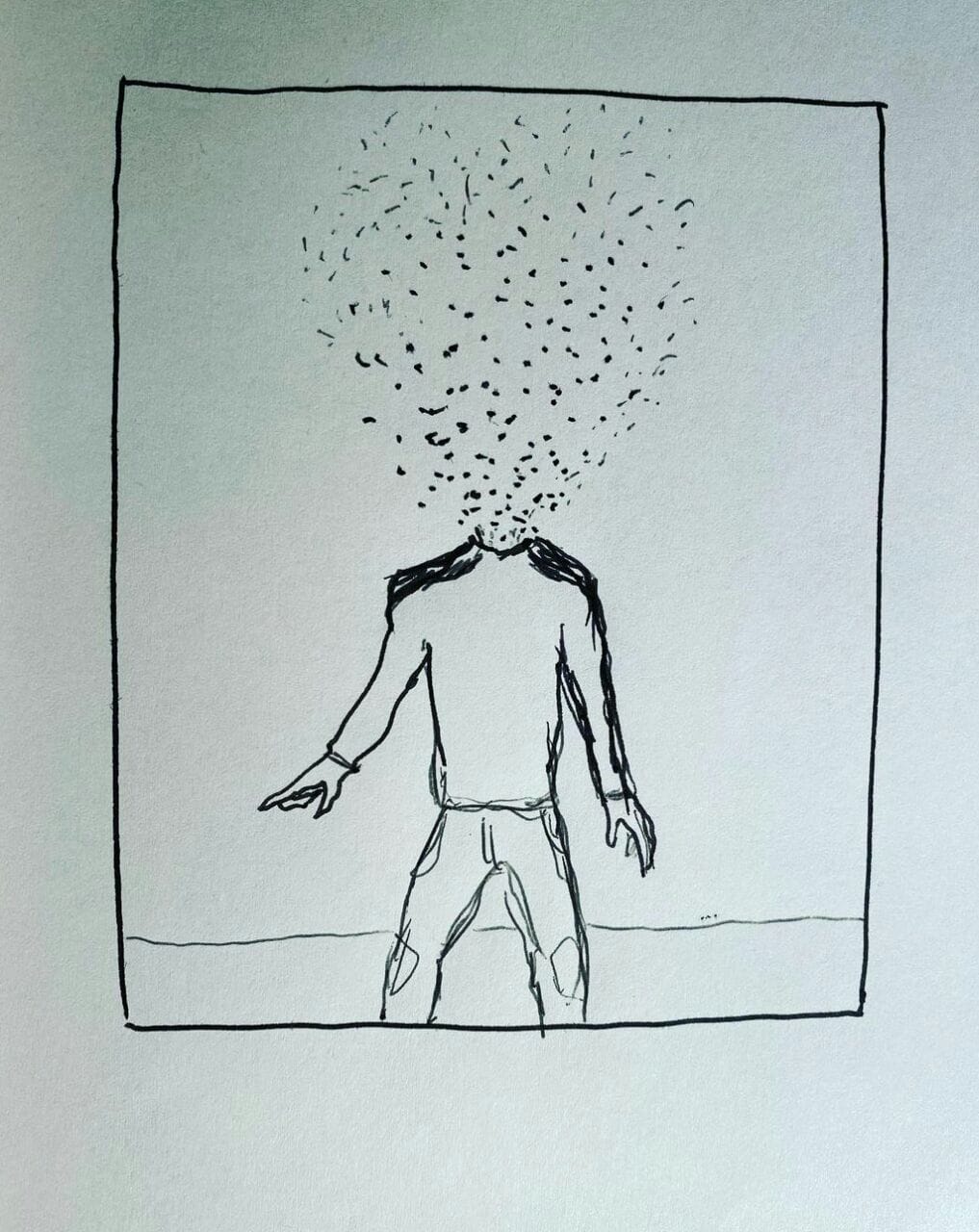
Overthinking is something almost everyone struggles with, especially in a world full of endless choices, information, and opinions. You want to make the best decisions, avoid mistakes, and plan things perfectly, but somehow that leads to more hesitation than progress. Instead of moving forward, your mind keeps looping through “what if” scenarios, replaying conversations, or worrying about what could go wrong. It feels like being stuck inside your own thoughts constantly busy but not getting anywhere.
The truth is, overthinking isn’t a sign of intelligence or deep thought; it’s a habit of fear. When you overanalyze everything, you’re often trying to protect yourself from failure, rejection, or regret. But that protection comes at a high cost your peace of mind and your ability to take action. The good news is that anyone can learn to quiet their mind, think clearly, and move forward with confidence.
Understanding Why You Overthink
Overthinking usually begins with a good intention. You want to make the right choice, avoid mistakes, or plan ahead. But the more you think, the more uncertain you become. Instead of clarity, you get confusion. This happens because the brain is trying to find absolute certainty in situations where none exists. Life is unpredictable by nature, and when your mind can’t accept that, it keeps spinning in circles.
Fear is the root cause behind most overthinking. Fear of failure, fear of being judged, or fear of losing control. These fears make your thoughts feel urgent and important, as if analyzing more will finally lead to the perfect solution. But thinking isn’t the same as solving. You can’t think your way into courage, and you can’t plan your way out of uncertainty. The only real answer comes through action and experience.
Understanding this helps you see overthinking for what it is a mental loop designed to give a false sense of safety. You’re not broken or lazy for being stuck; your mind is just overprotecting you. The first step is to acknowledge that you don’t need to know everything before moving forward. Clarity often comes after you take the first step, not before it.
Shifting Your Mind from Thinking to Doing
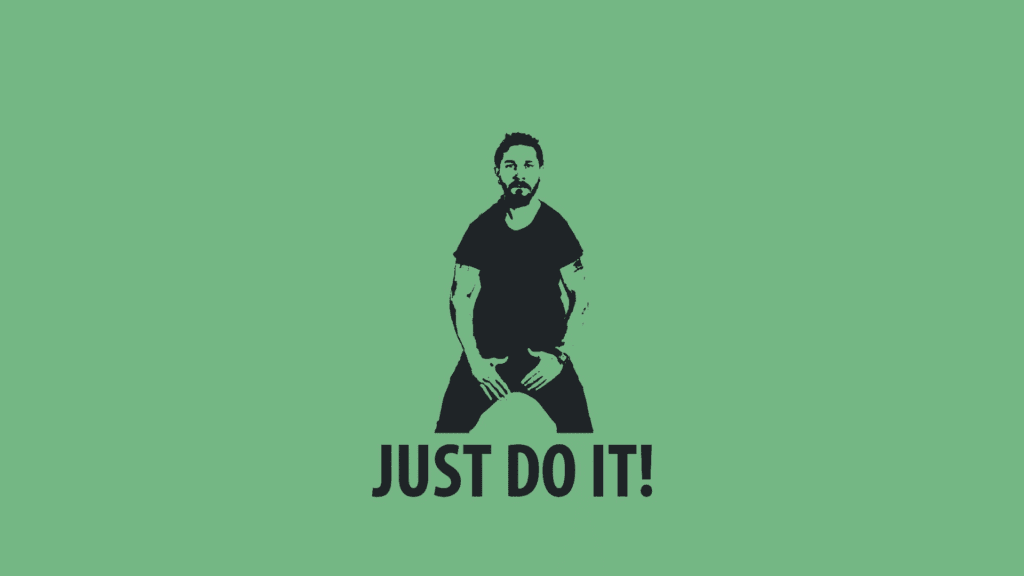
The hardest part of breaking overthinking is learning to move while you’re still uncertain. Waiting to feel ready or sure is what keeps you trapped. Confidence is not something you gain before taking action — it’s something you build through action.
Start small. Instead of asking, “What’s the perfect next step?” ask, “What’s the next small thing I can do?” Simplicity kills hesitation. When you focus on the tiniest possible action, you remove pressure and build momentum. You don’t have to change everything overnight progress grows from small, consistent movement.
Writing things down can also help you escape mental overload. Thoughts feel heavier inside your head than they really are. When you put them on paper, they lose power and become manageable. Make a habit of journaling or listing your worries and possible solutions. Often you’ll realize that what felt overwhelming was just unclear in your mind.
Another effective habit is time-limited thinking. If you need to make a decision, give yourself a set amount of time — say 20 minutes — to think it through. Once that time is up, choose your best option and act. This forces your mind to focus and prevents endless loops of second-guessing. The goal isn’t to make a perfect choice; it’s to make a decision and learn from it.
And when your brain starts spinning with “what ifs,” redirect it with better questions. Instead of asking, “What if it doesn’t work?” ask, “What if it does?” This simple shift moves you from a fear mindset to a possibility mindset. You’ll start seeing opportunity instead of danger and that’s when courage begins to grow.
Building a Habit of Taking Action
Taking action consistently is the ultimate cure for overthinking. The more you act, the less power your doubts have. But to make action a habit, you need to approach it with intention and compassion.
Start by embracing imperfection. Waiting for the perfect time, plan, or idea only delays growth. Real progress is messy. Every successful person you admire made countless mistakes but they learned by doing, not by overanalyzing. You learn faster by acting and adjusting than by sitting and planning. Each small action teaches you something that thinking alone never could.
Learn to make quick, confident decisions. It doesn’t mean being reckless it means trusting yourself enough to act with the information you have. Most of the time, even a “wrong” decision teaches you what works faster than endless hesitation ever will. If you make a mistake, you can always course-correct. That’s how growth works.
You can also set clear action triggers for yourself. For example, if you find yourself thinking about something more than three times, it’s a sign to take action on it. This rule keeps you from letting thoughts spiral endlessly. Another trick is to create accountability tell a friend your goal, set a deadline, or use a reminder app. When you make your intentions public or time-bound, your brain shifts from overthinking mode to execution mode.
Lastly, remember to celebrate progress. Overthinkers often downplay small wins, but recognizing your effort helps rewire your brain to value action over perfection. Each step you take builds confidence, even if it’s imperfect. Over time, you’ll start to realize that movement, not certainty, is what brings peace and success.
Final Thoughts
Overthinking doesn’t disappear overnight. It’s a habit built over time but it can also be replaced with a new habit: action. Every time you take a step forward despite uncertainty, you weaken the hold of fear and strengthen your trust in yourself. You don’t have to silence every thought before you act; you just have to move anyway.
The smartest way to stop overthinking is to accept that you can’t predict everything and you don’t need to. The best things in life often happen when you take a leap before you feel ready. So the next time you catch yourself stuck in thought, pause, breathe, and ask: what’s one small thing I can do right now?
Then do it. Not tomorrow, not when it feels perfect now. Because clarity, confidence, and growth never come from thinking. They come from doing.