





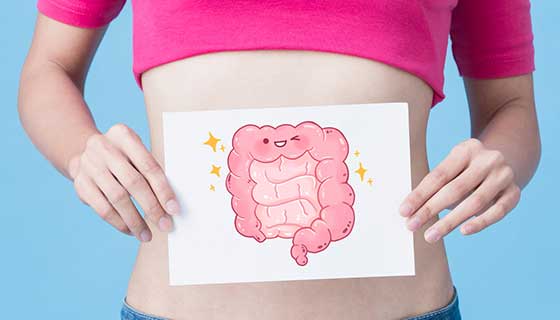
Your gut isn’t just responsible for digestion it plays a major role in your emotional well-being, stress response, and overall happiness. In recent years, science has uncovered a powerful truth: your gut and brain are deeply connected. So much so that researchers often refer to the gut as the body’s “second brain.”
If you’ve ever experienced butterflies before a big event or felt nauseous during stress, you’ve already felt this connection in action. But the relationship goes far deeper and understanding it can help you naturally improve your mood, reduce anxiety, and boost mental clarity.
How Your Gut Talks to Your Brain
The communication between your gut and brain happens through the gut-brain axis a direct network of nerves, hormones, and biochemical signals. The most important of these is the vagus nerve, which sends constant messages back and forth between the two systems.
- 90% of serotonin (the happiness hormone) is produced in the gut.
- Gut bacteria create neurotransmitters that influence mood.
- Inflammation in the gut can trigger stress signals in the brain.
When your gut microbiome the trillions of microorganisms living inside you is balanced and healthy, it sends positive, stabilizing signals to your brain. When it’s unbalanced, it can produce anxiety, low mood, irritability, and fatigue.
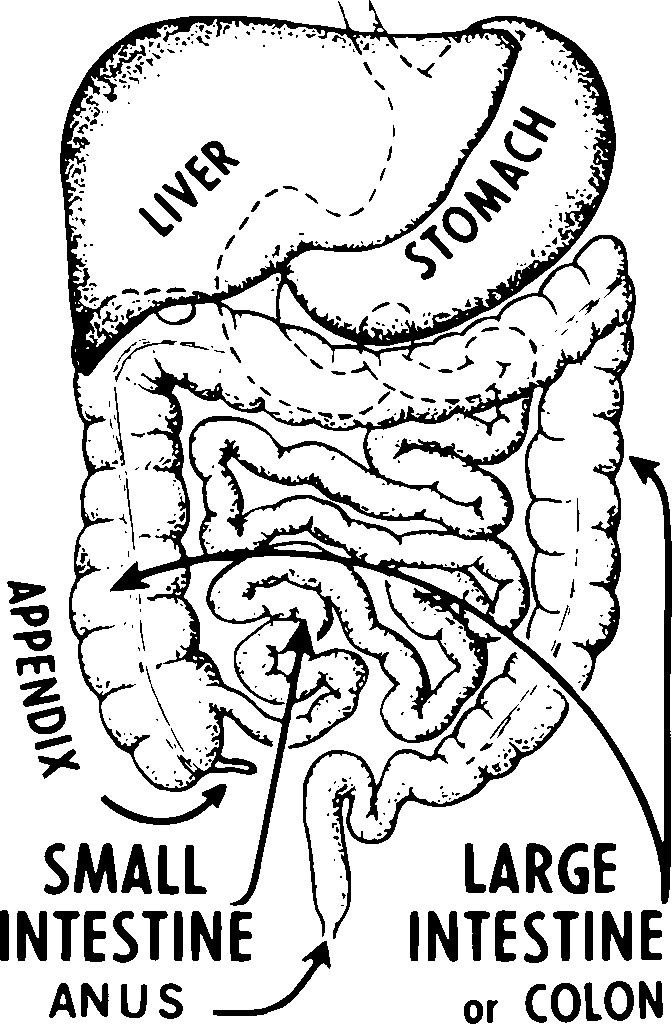
Signs Your Gut May Be Affecting Your Mood
Many people don’t realize their gut issues and emotional challenges are connected. Here are some common signs your gut health may be influencing your mental state:
- Frequent bloating or indigestion
- Unexplained mood swings
- Increased anxiety or irritability
- Difficulty concentrating (“brain fog”)
- Poor sleep or inconsistent energy levels
- Food intolerances or frequent cravings
If you’re experiencing several of these, improving your gut health could lead to a noticeable mood lift within weeks.
The Best Gut-Friendly Foods for Better Mood
Food has a direct impact on your microbiome, and choosing the right ingredients can help rebalance gut bacteria and support emotional wellness.
| Food Type | Why It Helps | Examples |
|---|---|---|
| Probiotic-Rich Foods | Restore healthy gut bacteria | Yogurt, kimchi, kefir, sauerkraut |
| Prebiotic Foods | Feed beneficial bacteria | Garlic, onions, bananas, oats |
| Omega-3 Sources | Reduce gut + brain inflammation | Salmon, chia seeds, walnuts |
| Fiber-Rich Foods | Promote healthy digestion | Leafy greens, beans, apples |
Fermented Foods: Your Mood’s Best Friend
Fermented foods introduce good bacteria directly into your gut. Studies show they can reduce stress hormones and enhance mental well-being.
Healthy Fats for Mental Stability
Omega-3 fatty acids support both gut lining integrity and neurotransmitter balance a double benefit for emotional health.
Fiber for a Happier Gut
Fiber regulates digestion and helps produce short-chain fatty acids, which play a key role in lowering inflammation and calming the nervous system.
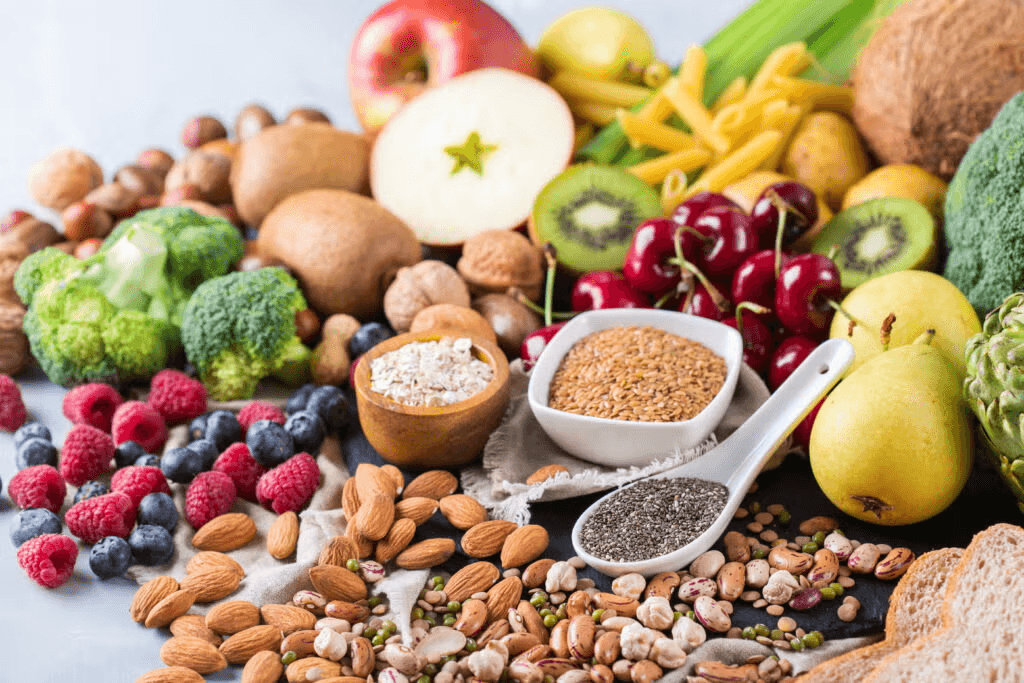
Habits That Improve Gut Health and Boost Mood
You don’t need to overhaul your lifestyle small, consistent steps can dramatically improve gut health and emotional balance.
- Increase daily fiber by adding vegetables, whole grains, and fruit.
- Include probiotics in at least one meal per day.
- Stay hydrated to support digestion and nutrient absorption.
- Reduce sugar and processed foods that disrupt gut bacteria.
- Manage stress high stress directly harms the gut lining.
- Get quality sleep, as your microbiome regenerates overnight.
These habits create a foundation for both digestive health and emotional resilience.
The Emotional Benefits of a Healthy Gut
Once your gut is balanced, you may notice positive changes across many areas of your life:
- More stable mood and reduced anxiety
- Improved focus and clearer thinking
- Better sleep and energy patterns
- Less stress-induced eating or cravings
- Overall sense of calm and well-being
When your gut thrives, your mind follows it’s one of the easiest ways to improve emotional wellness naturally.
Your Mood Starts in Your Gut
From boosting serotonin production to reducing inflammation and supporting the nervous system, your gut plays a major role in shaping how you feel every day. By nourishing it with the right foods and habits, you create a powerful foundation for long-term emotional balance.
You deserve to feel calm, clear, and energized and improving your gut health may be the simplest path to get there.