






Why Most Productivity Tools Fail (and What Actually Works)
In an era overflowing with productivity apps, planners, and task managers, it’s easy to believe that the right tool will magically make you organized, efficient, and stress-free. But here’s the truth: most productivity tools fail—not because they’re poorly designed, but because people rely on tools instead of building habits. No app can make you productive if the underlying systems, priorities, and mindset aren’t in place.
After years of testing tools, frameworks, and techniques, I’ve discovered why so many fail—and what actually works to help you get more done without burning out.
The Illusion of Productivity

We live in a culture that glorifies “being busy,” and it’s tempting to equate downloading the newest app with immediate efficiency. But productivity isn’t about checking more boxes—it’s about getting the right things done. Many people fall into these traps:
- Tool addiction: Constantly switching apps or updating to “better” solutions instead of actually completing work.
- Overcomplication: Using tools with dozens of features that go unused, creating mental clutter rather than clarity.
- Ignoring habits: Assuming that tracking tasks or scheduling will replace the need for self-discipline and focus.
In other words, the tools themselves aren’t the problem—your approach to using them is.
Why Most Tools Fail
- They don’t fit your workflow
Many apps assume a one-size-fits-all approach. Kanban boards, calendar planners, or time trackers are only effective if they align with how you naturally work. Forcing a system that feels unnatural creates resistance rather than productivity. - You’re not clear on your priorities
No tool can decide what truly matters for you. Without clarity on your top goals, even the best app will have you busy all day without meaningful results. - Lack of accountability
Productivity tools can track tasks, but they can’t enforce follow-through. Without routines, external accountability, or self-discipline, your to-do list remains a digital graveyard of good intentions. - Over-reliance on external systems
Some people believe that reminders, notifications, and apps will solve procrastination—but the real challenge is internal: focus, motivation, and managing mental energy. Tools are only amplifiers; they don’t create intrinsic productivity.
What Actually Works
Instead of hunting for the perfect app, focus on foundational habits and frameworks that work across contexts. Here’s what I’ve found most effective:
1. Prioritize Ruthlessly
Productivity isn’t about doing more—it’s about doing what matters. Use a simple system:
- Identify your top 3 priorities for the day.
- Focus on completing these before anything else.
- Let low-priority tasks wait or delegate them.
This approach is simple, yet profoundly powerful. It reduces overwhelm and ensures your energy goes toward meaningful work.
2. Create Mini-Habits and Routines
Big productivity shifts rarely happen overnight. The key is building small, repeatable habits:
- Start your day with a defined routine to prime focus.
- Break work into 25–50 minute focused sprints (Pomodoro-style).
- End your day by reviewing what you accomplished and planning tomorrow.
Habits are what make productivity sustainable; tools alone can’t enforce them.
3. Use Tools as Amplifiers, Not Crutches
Tools are only effective when they serve your habits and priorities:
- Use a calendar to protect time blocks for deep work.
- Use a simple task manager to capture commitments, not as a motivation substitute.
- Keep tools minimal—don’t overwhelm yourself with features you’ll never use.
The right tool supports a system, but it doesn’t replace it.
4. Build a Feedback Loop
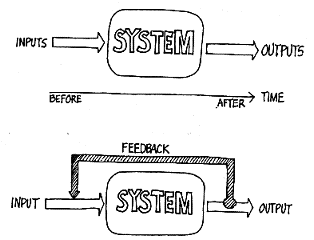
Regular reflection is key to improvement. At the end of each week:
- Review what you accomplished.
- Note what caused distractions or delays.
- Adjust your approach and tools for the next week.
Feedback loops keep your productivity system flexible and aligned with your goals, rather than rigidly following a tool that may not work.
The Mindset Shift
Ultimately, the failure of most productivity tools comes down to mindset. People chase external solutions for what is fundamentally an internal problem: focus, clarity, and disciplined action. By shifting the emphasis from tools to habits, priorities, and reflection, you can create a productivity system that actually works—regardless of the software you use.
Remember, it’s not about the app, the planner, or the next new tool. It’s about understanding yourself, your work, and the small, repeatable systems that keep you moving forward. When you combine intentional habits with the right tools as amplifiers, productivity stops being a dream and starts being a daily reality.